

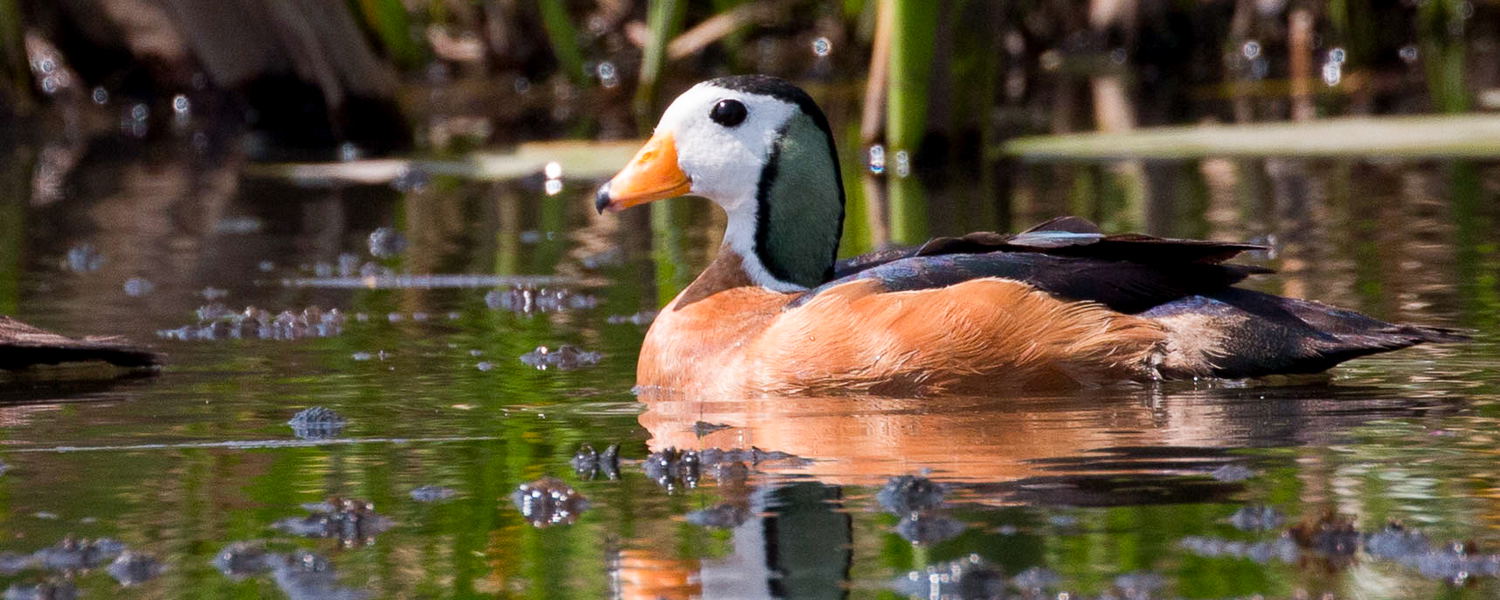
Birding at Nylsvley: A Waterberg Experience Birding at Nylsvley offers a wonderful change of scenery for guests staying at Waterberg Cottages. Explore open wetlands, discover diverse birdlife and enjoy the beauty of nature, especially during summer when the floodplain comes alive with activity. The contrast between Nylsvley’s wide-open wetlands and the surrounding Waterberg bushveld makes this a memorable day trip for bird lovers and nature enthusiasts alike. After a morning of birdwatching,...
Pygmy Goose Paradise
Posted by Wian on Tue September 8, 2026.
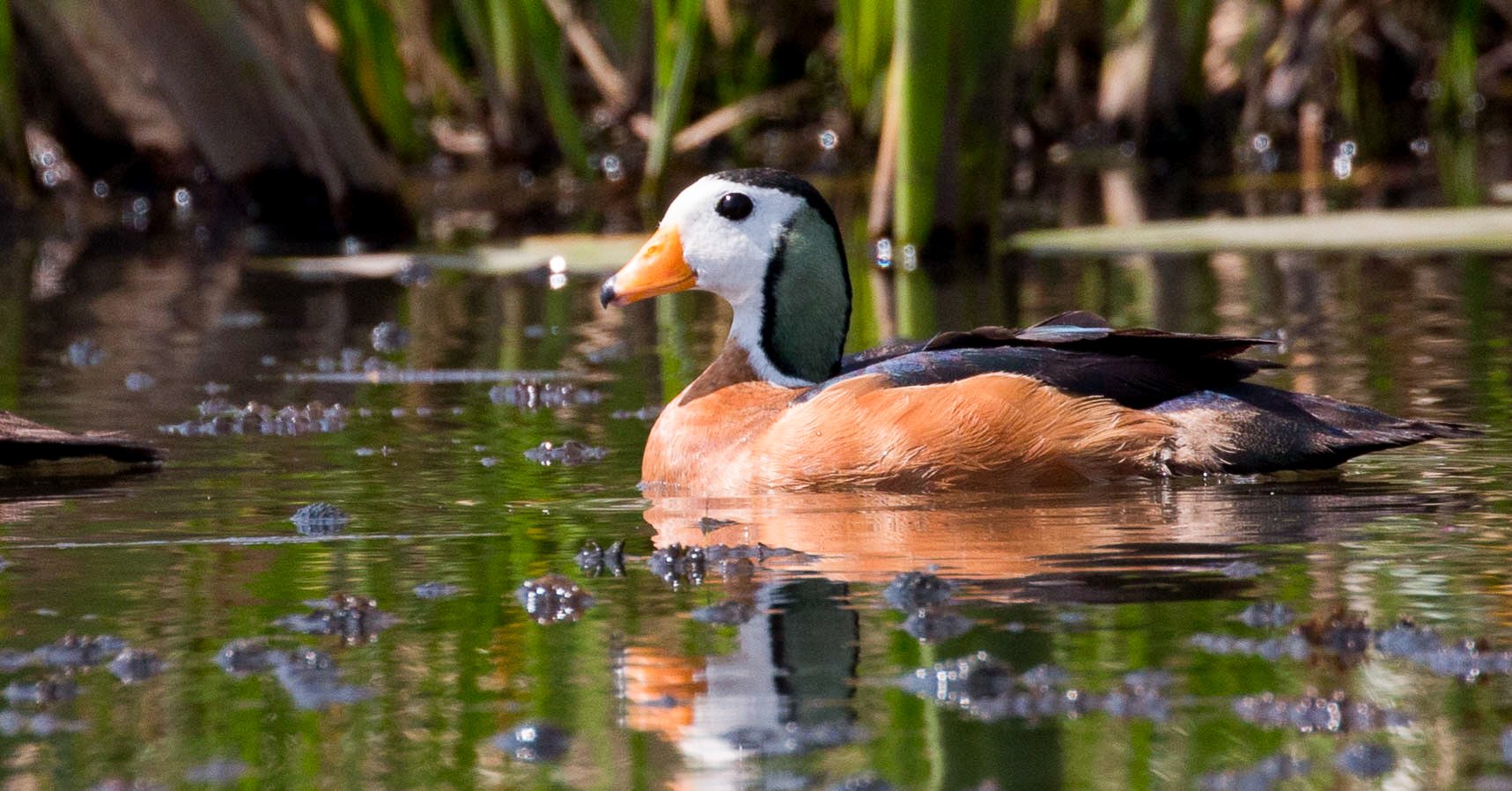
The African Pygmy Goose is a rare and easily overlooked treasure of the Waterberg. Finding one is a privilege — a reminder of the incredible wildlife that thrives in quiet wetlands. With patience and careful observation, especially around lily-covered dams and pans, this tiny waterbird reveals itself and makes the experience all the more special.
Where to Find African Pygmy Goose: A Lesson in Slowing Down
You don’t find an African Pygmy Goose by searching harder.
If anything, the opposite is true.
It usually begins at the edge of a quiet pan, somewhere in the Waterberg. The surface is still, broken only by the occasional ripple. Lily pads spread across the water, creating a mosaic of green and shadow.
At first, it feels like nothing is happening.
Then something moves — just slightly.
And suddenly, what looked like part of the water itself becomes a bird.
The Subtlety of the Smallest Waterfowl
The African Pygmy Goose is easy to overlook, even when it’s right in front of you.
Its size alone makes it different — small, compact, almost delicate compared to other waterbirds. But it’s not just its size that makes it special. It’s how perfectly it fits into its environment.
Among the lilies, it disappears.
Which is why so many birders ask the same question:
Where to find African Pygmy Goose reliably?
Understanding the Habitat
The answer lies in the details.
These birds favour shallow, calm water with abundant aquatic vegetation. Lily-covered pans are ideal, offering both food and protection.
From a distance, these wetlands may appear quiet, even empty. But they are anything but.
Given the right conditions, they become some of the most productive birding areas in the region.
Why the Waterberg Works So Well
In the Waterberg, seasonal rains create exactly the kind of habitat Pygmy Geese need.
Dams fill. Vegetation returns. Insects gather. And with minimal disturbance, birds settle into the rhythm of the environment.
Around Waterberg Cottages, this combination of habitat and tranquillity creates a consistent opportunity to find them — not by chance, but by understanding where and how to look.
Timing, Light, and Patience
Summer is when everything aligns.
The water is high, the vegetation is thick, and bird activity peaks. Early mornings and late afternoons offer the best conditions — softer light, calmer winds, and more movement.
But the real key is patience.
Instead of scanning quickly, you focus on a single area. You watch the water, the edges, the spaces between the lilies.
And slowly, the scene begins to change.
The Reward of Seeing Properly
Finding an African Pygmy Goose is less about luck and more about perception.
It’s about learning to slow down. To notice subtle movement. To trust that something is there, even when it’s not immediately obvious.
And when it finally appears — when that small shape resolves into a bird — it feels earned.
More Than the Target Species
What begins as a search for one species often becomes something much richer.
Wetlands in the Waterberg are full of life. Jacanas move effortlessly across floating vegetation. Kingfishers hunt from low perches. Herons stand motionless, waiting.
The longer you stay, the more the environment reveals itself.
And somewhere within it, the Pygmy Goose continues to move quietly, almost unnoticed.
Final Thought
If you’re asking where to find African Pygmy Goose, the answer isn’t just a location.
It’s a way of looking.
And once you learn that, the experience becomes far more rewarding than the sighting itself.
Further Reading
Birding at Nylsvley
Thu October 15, 2026
Read This Article
Where to go birding in the Waterberg
Tue September 29, 2026
Read This Article
The article argues that where to go birding in the Waterberg is less about compiling a list of birding sites and more about choosing the right place to stay. It presents Waterberg Cottages as a convenient central base that provides immediate access to productive birding habitats while also making it easy to explore important regional sites such as Nylsvley Nature Reserve. The Waterberg’s varied landscapes—including bushveld, rocky areas, and seasonal wetlands—allow birders...
Birding in the Waterberg
Sat August 15, 2026
Read This Article
The Waterberg region in South Africa offers a slow-paced, atmospheric birding experience where patience and micro-habitat immersion take priority over fast-paced checklists. Unlike busier reserves, its landscape shifts continuously between broad-leafed bushveld, rocky outcrops, dry woodlands, and reed-fringed wetlands, creating distinct birding experiences across the seasons. Summer brings vibrant migratory species and active breeding behaviors, while winter's thinner canopy provides clear visibility for tracking woodland birds and soaring raptors. Choosing an accommodation...
Share This Post